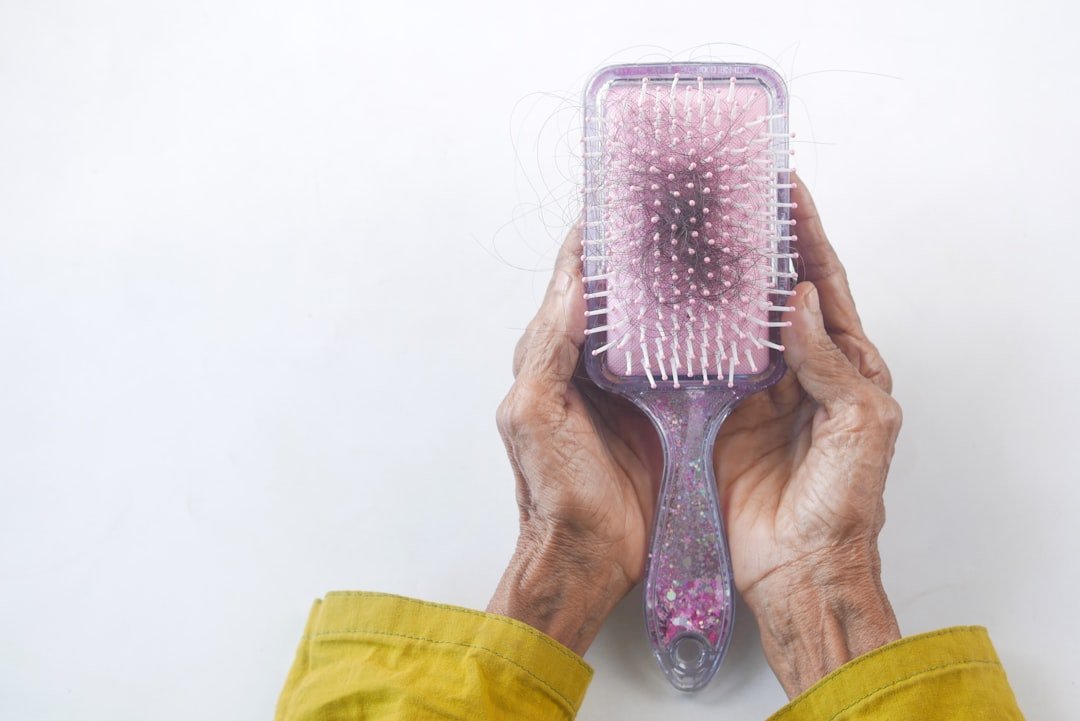
As I delve into the intricate relationship between nutrition and hair loss, I find myself increasingly aware of how our dietary choices can significantly impact our overall health, including the vitality of our hair. Hair loss is a common concern that affects many individuals, regardless of age or gender. While genetics and hormonal changes often take center stage in discussions about hair health, I have come to realize that nutrition plays a pivotal role that should not be overlooked.
The food I consume can either nourish my hair follicles or contribute to their decline, making it essential to understand the connection between what I eat and the condition of my hair. In my exploration of this topic, I have discovered that hair is not merely a cosmetic feature; it is a reflection of my internal health. The nutrients I provide my body with can either promote robust hair growth or lead to thinning and loss.
By understanding the fundamental principles of nutrition and its effects on hair health, I can make informed choices that support not only my hair but also my overall well-being. This article aims to shed light on the various nutrients essential for maintaining healthy hair and how deficiencies in these nutrients can lead to hair loss.
Key Takeaways
- Nutrition plays a crucial role in maintaining healthy hair and preventing hair loss.
- Nutrients such as protein, iron, vitamins, and minerals are essential for promoting hair growth and preventing hair loss.
- Deficiency in protein and iron can lead to hair thinning and loss, making it important to include these nutrients in the diet.
- Vitamins and minerals like vitamin A, C, E, and zinc are important for maintaining healthy hair and promoting growth.
- Hormonal imbalance can impact hair health, making it important to maintain a balanced diet to support hormonal function.
The Role of Nutrients in Hair Health
Nutrients are the building blocks of life, and they play a crucial role in maintaining the health of my hair. Each strand of hair is composed primarily of a protein called keratin, which requires a variety of nutrients for its synthesis and maintenance. As I reflect on my own dietary habits, I recognize that a balanced intake of vitamins, minerals, proteins, and healthy fats is vital for promoting strong and vibrant hair.
For instance, I have learned that certain vitamins, such as biotin and vitamin D, are particularly important for hair follicle function and growth. Moreover, I have come to appreciate that the health of my scalp is equally important as the health of my hair. A well-nourished scalp provides an optimal environment for hair growth.
Nutrients like zinc and selenium contribute to maintaining a healthy scalp by supporting cellular function and reducing inflammation. By ensuring that I consume a variety of nutrient-rich foods, I can create an environment conducive to healthy hair growth while also addressing any underlying issues that may contribute to hair loss.
The Impact of Protein and Iron Deficiency on Hair Loss
As I continue to explore the connection between nutrition and hair health, I cannot overlook the critical roles that protein and iron play in preventing hair loss. Protein is essential for the production of keratin, the primary structural component of hair. When I do not consume enough protein, my body may prioritize its use for vital functions over hair growth, leading to weakened strands and increased shedding.
This realization has prompted me to be more mindful of my protein intake, ensuring that I include adequate sources such as lean meats, fish, eggs, legumes, and dairy products in my diet. Iron deficiency is another significant factor that can contribute to hair loss. Iron is crucial for transporting oxygen to the hair follicles, which is necessary for their growth and maintenance.
When I experience low iron levels, my body may struggle to deliver sufficient oxygen to these follicles, resulting in hair thinning or even loss. To combat this issue, I have made a conscious effort to incorporate iron-rich foods into my meals, such as spinach, lentils, red meat, and fortified cereals. By addressing both protein and iron deficiencies, I can take proactive steps toward maintaining healthy hair.
The Importance of Vitamins and Minerals for Hair Growth
| Vitamin/Mineral | Function | Sources | Recommended Daily Intake |
|---|---|---|---|
| Vitamin A | Promotes healthy scalp and hair growth | Carrots, sweet potatoes, spinach | 700-900 mcg |
| Vitamin C | Aids in collagen production for hair strength | Citrus fruits, bell peppers, strawberries | 75-90 mg |
| Vitamin E | Improves blood circulation to the scalp | Almonds, sunflower seeds, spinach | 15 mg |
| Biotin | Supports keratin production for hair growth | Eggs, nuts, whole grains | 30-35 mcg |
| Zinc | Helps repair hair tissue and maintain oil glands | Beef, oysters, lentils | 8-11 mg |
In my journey toward understanding the importance of vitamins and minerals for hair growth, I have discovered that several key nutrients play a vital role in promoting healthy hair. For instance, vitamin A is essential for cell growth and helps produce sebum, which keeps the scalp moisturized. A deficiency in vitamin A can lead to dry and brittle hair, making it more prone to breakage.
To ensure I am getting enough vitamin A, I have started incorporating foods like sweet potatoes, carrots, and leafy greens into my diet. Additionally, B vitamins are crucial for energy production and overall cellular function. Biotin, in particular, has gained popularity as a supplement for promoting hair growth.
However, I have learned that it is best to obtain these vitamins from whole food sources such as whole grains, nuts, seeds, and eggs. Furthermore, vitamin E acts as an antioxidant that helps protect hair from oxidative stress while promoting blood circulation to the scalp. By focusing on a diverse range of vitamins and minerals in my diet, I can support not only my hair health but also my overall vitality.
The Link Between Diet and Hormonal Imbalance
As I delve deeper into the relationship between diet and hormonal balance, I have come to understand how certain foods can influence hormone levels in my body, ultimately affecting my hair health. Hormonal imbalances can lead to conditions such as androgenetic alopecia or polycystic ovary syndrome (PCOS), both of which are associated with hair thinning or loss. By being mindful of my dietary choices, I can help regulate hormone levels and mitigate these effects.
For instance, I have learned that consuming excessive amounts of refined sugars and processed foods can lead to insulin resistance and increased androgen levels in the body. This imbalance can exacerbate hair loss issues. On the other hand, incorporating whole foods rich in fiber, healthy fats, and antioxidants can help stabilize blood sugar levels and promote hormonal balance.
Foods such as avocados, nuts, seeds, and whole grains have become staples in my diet as I strive to create a harmonious internal environment that supports healthy hair growth.
How Fatty Acids and Omega-3s Affect Hair Health
In my quest for optimal hair health, I have discovered the significant impact that fatty acids and omega-3s have on maintaining vibrant locks. These essential fats play a crucial role in nourishing the scalp and promoting healthy hair follicles. Omega-3 fatty acids are known for their anti-inflammatory properties, which can help reduce scalp irritation and promote a healthy environment for hair growth.
I have made it a priority to include sources of omega-3s in my diet by incorporating fatty fish like salmon and mackerel, as well as plant-based sources such as flaxseeds and walnuts. These foods not only provide essential fatty acids but also contribute to overall heart health. By ensuring that I consume adequate amounts of omega-3s, I am taking proactive steps toward supporting both my scalp health and the strength of my hair.
Foods to Include in a Hair-Healthy Diet
As I reflect on the foods that contribute to a hair-healthy diet, I realize that variety is key. Incorporating a wide range of nutrient-dense foods ensures that I am providing my body with all the essential vitamins and minerals it needs for optimal hair growth. Leafy greens like spinach and kale are excellent sources of iron and vitamins A and Additionally, fruits such as berries are rich in antioxidants that help protect against oxidative stress.
I have also found that nuts and seeds are fantastic additions to my diet due to their high content of healthy fats, protein, and minerals like zinc. Almonds, walnuts, chia seeds, and pumpkin seeds are all great options that not only support hair health but also provide numerous other health benefits. Furthermore, whole grains like quinoa and brown rice offer essential nutrients while providing sustained energy throughout the day.
By focusing on these nutrient-rich foods, I am creating a balanced diet that supports not only my hair but also my overall well-being.
Creating a Balanced Diet for Healthy Hair
In conclusion, my journey through understanding the connection between nutrition and hair loss has been enlightening. It has become clear to me that creating a balanced diet rich in essential nutrients is vital for maintaining healthy hair. By prioritizing protein sources, iron-rich foods, vitamins, minerals, omega-3 fatty acids, and whole foods while minimizing processed sugars and unhealthy fats, I can foster an environment conducive to vibrant locks.
As I continue to make mindful dietary choices, I am reminded that nourishing my body from within will ultimately reflect on the outside—my hair included. By embracing a holistic approach to nutrition that considers both physical health and aesthetic concerns, I am empowered to take control of my hair health journey. With each meal I prepare or snack I choose, I am investing in not just the appearance of my hair but also its strength and vitality for years to come.
Hair loss can be a distressing experience, but understanding the role of diet in maintaining healthy hair can be a game-changer. A balanced diet rich in essential nutrients like vitamins, minerals, and proteins is crucial for hair health. For more insights on how diet impacts hair loss and the importance of nutrition in preventing hair thinning, you can read a related article on this topic. Check out this informative piece on hair loss and diet by visiting this link.